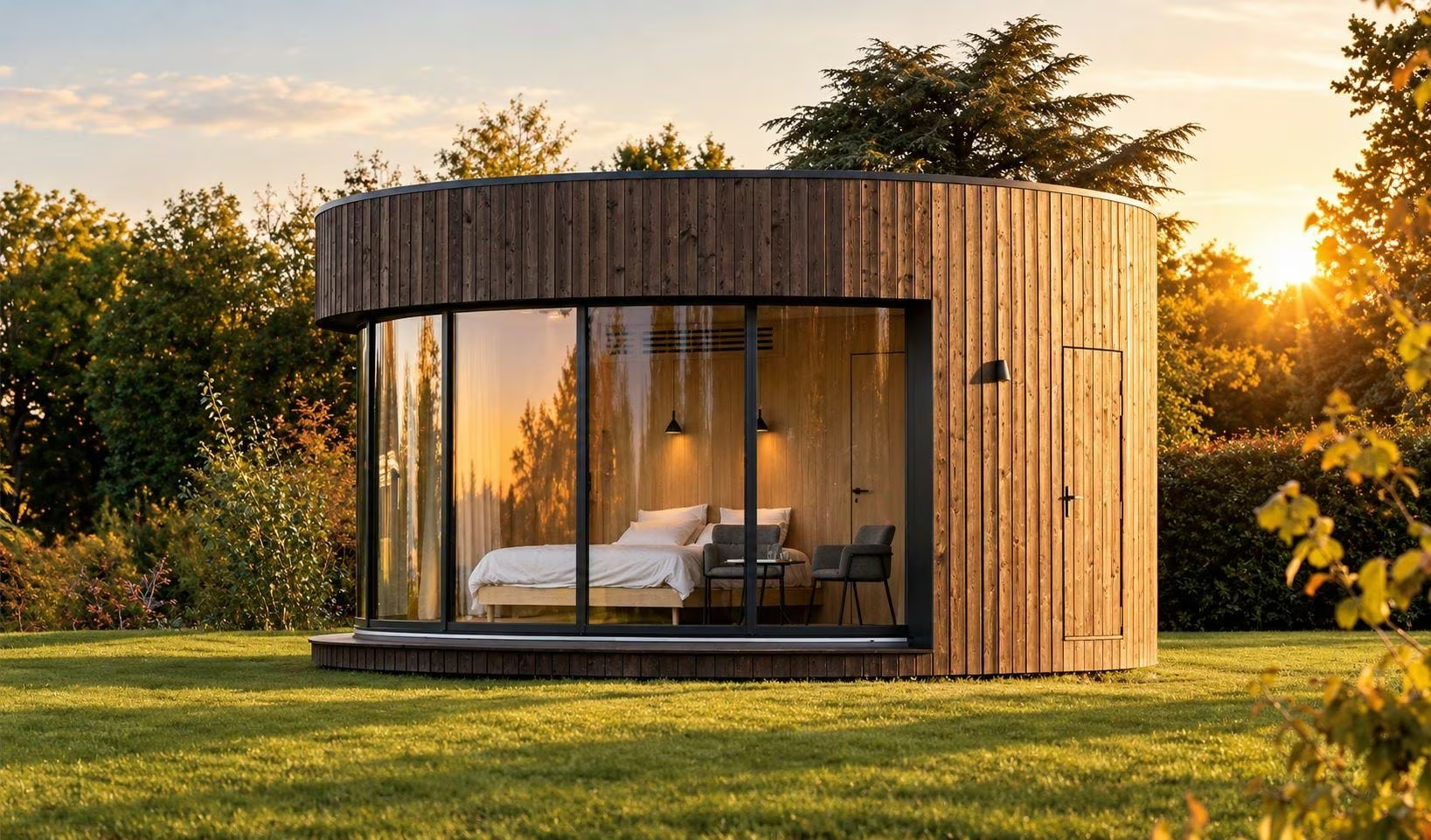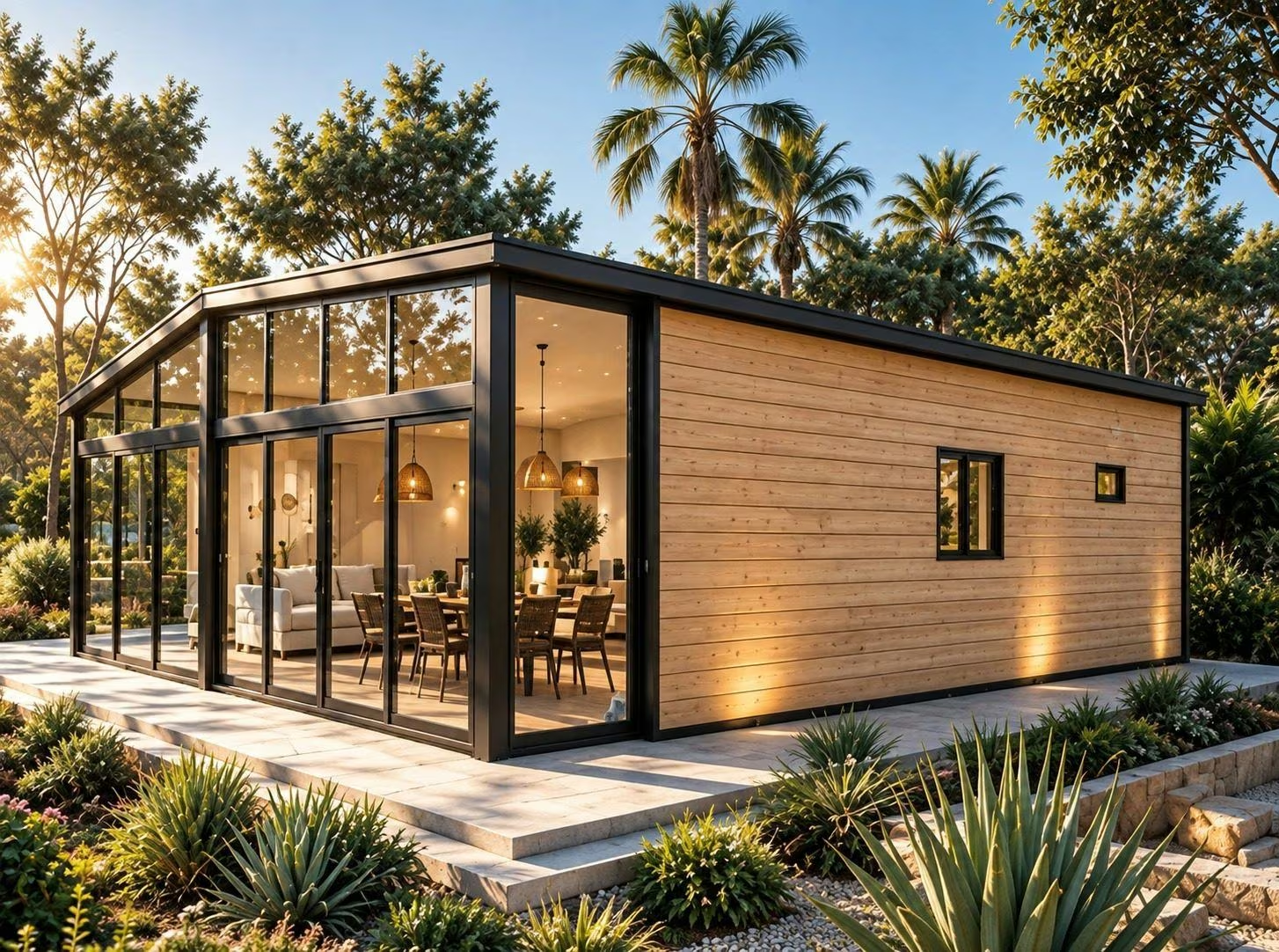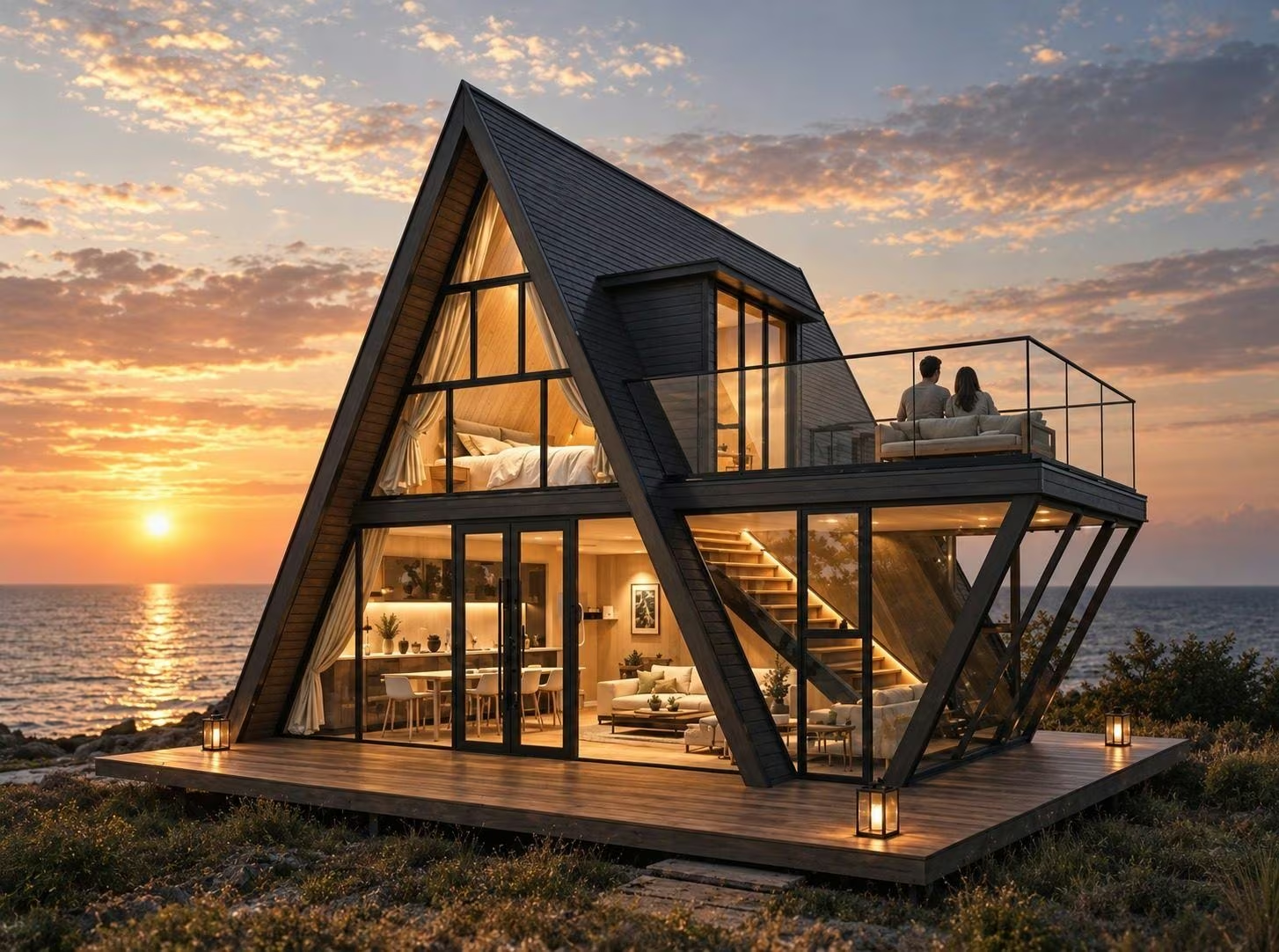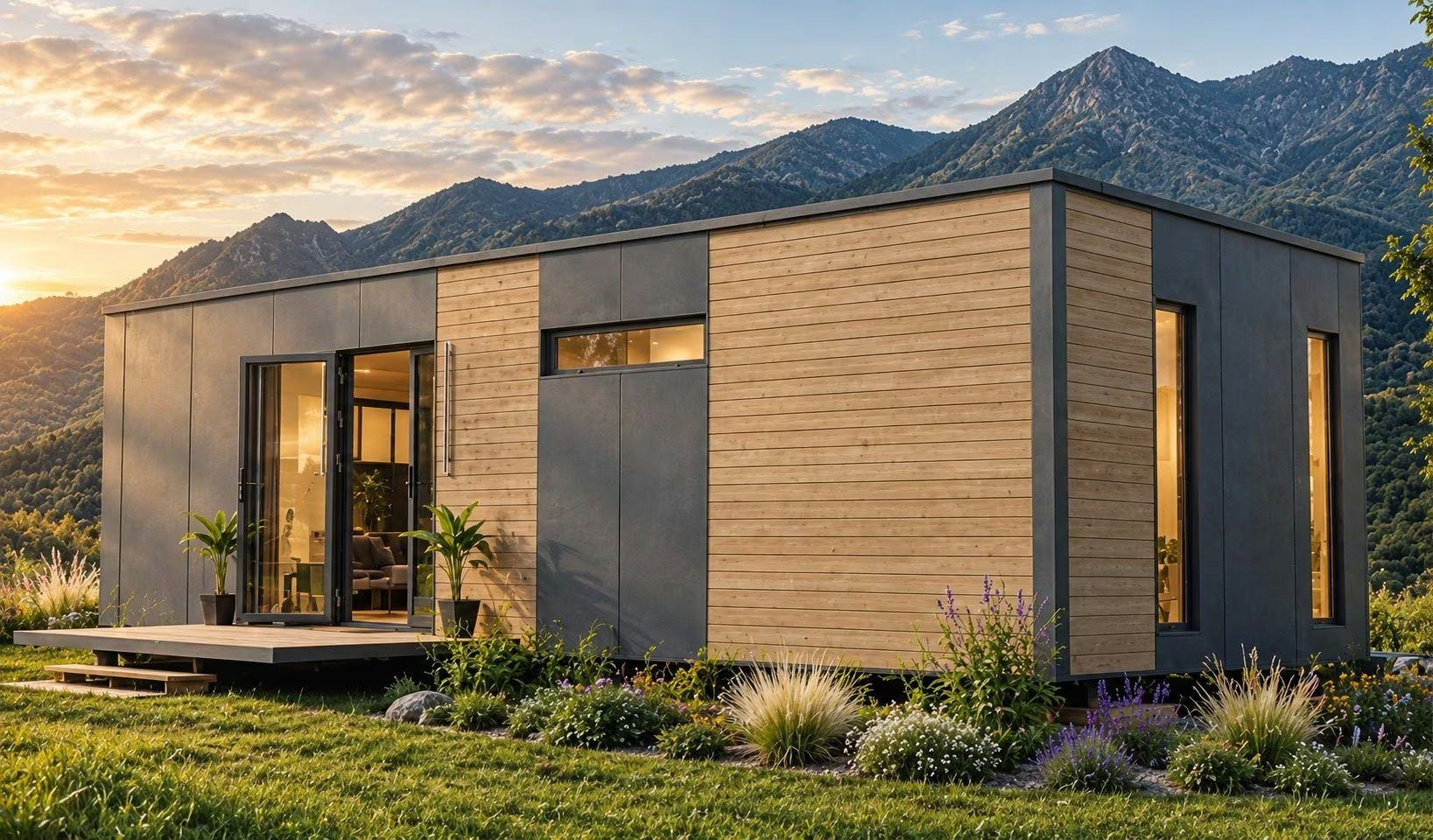
Before even thinking about materials or floor area, land orientation is the first architectural decision, and often the one with the biggest impact on everyday comfort.
Understanding the topic
In temperate climates, a broadly south-facing orientation remains the reference: it maximises natural light in winter, when the sun sits low, while limiting summer overheating if roof overhangs or sun shades are properly sized. A main façade facing south or south-west also makes the most of late-afternoon light, particularly valued in living spaces.
An east-west orientation has its own qualities: soft morning light on the east side, ideal for a bedroom, and a longer late afternoon on the west side for a terrace. It does, however, require careful sun protection in summer, as low evening sun can cause significant glare through large glazed openings.
Deep exploration
Beyond compass points, topography matters just as much: a gentle south-facing slope naturally captures more sun than a flat plot boxed in by relief or dense vegetation. Solar masks (neighbouring buildings, mature trees, ridge lines) should be studied at different times of day and different seasons, not only during a single site visit.
Practical guidance
Finally, the prevailing regional wind shapes where openings and outdoor spaces should sit: a terrace sheltered from the prevailing wind will be used far more often than one that is perfectly sun-facing but exposed.
These principles, while universal, apply differently to every plot. That’s why a personalised siting study remains the best way to turn a piece of land into a project that truly fits how you want to live, it’s part of what we offer for every Nöma modular habitat.
Architectural perspective
At its core, orienting a habitat well isn’t an isolated technical exercise: it’s the first sign of an architecture that listens to its land rather than imposing itself on it.
Frequently asked questions
What is the best orientation for a compact habitat?
There is no universally "best" orientation: south maximises winter light, east-west offers differentiated morning/evening light. The right choice depends on the plot, local climate and intended use of each room.
Can poor orientation be corrected after construction?
Only partially, sun shades, vegetation or outdoor blinds can mitigate some issues, but the amount of natural light a façade receives is largely fixed at the design stage.