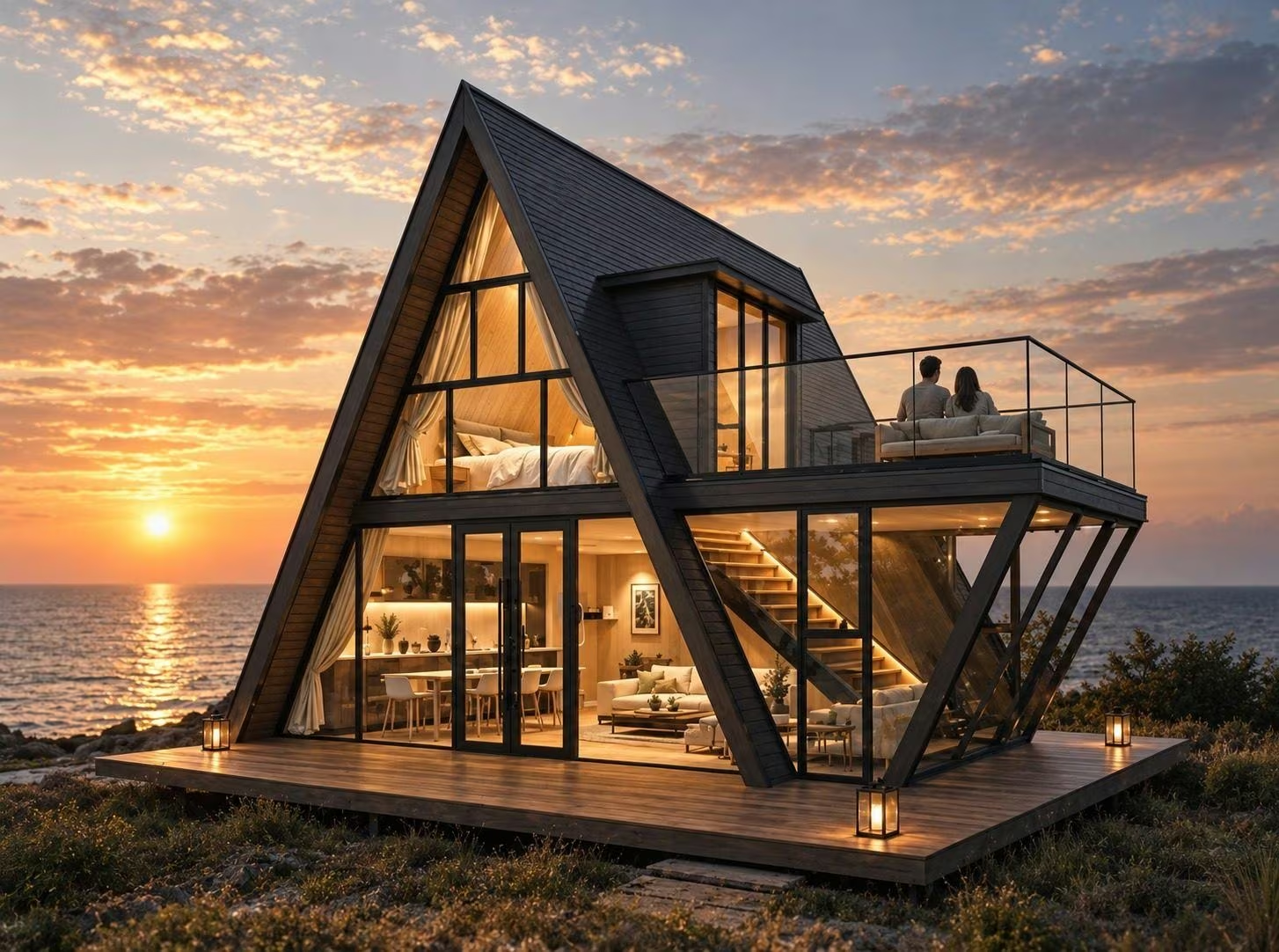
Remote work, now a lasting reality for a significant share of employees, has changed how many people think about where they live. Immediate proximity to an office is no longer the top criterion; quality of environment, natural light and the ability to clearly separate work and living space have taken its place.
Understanding the topic
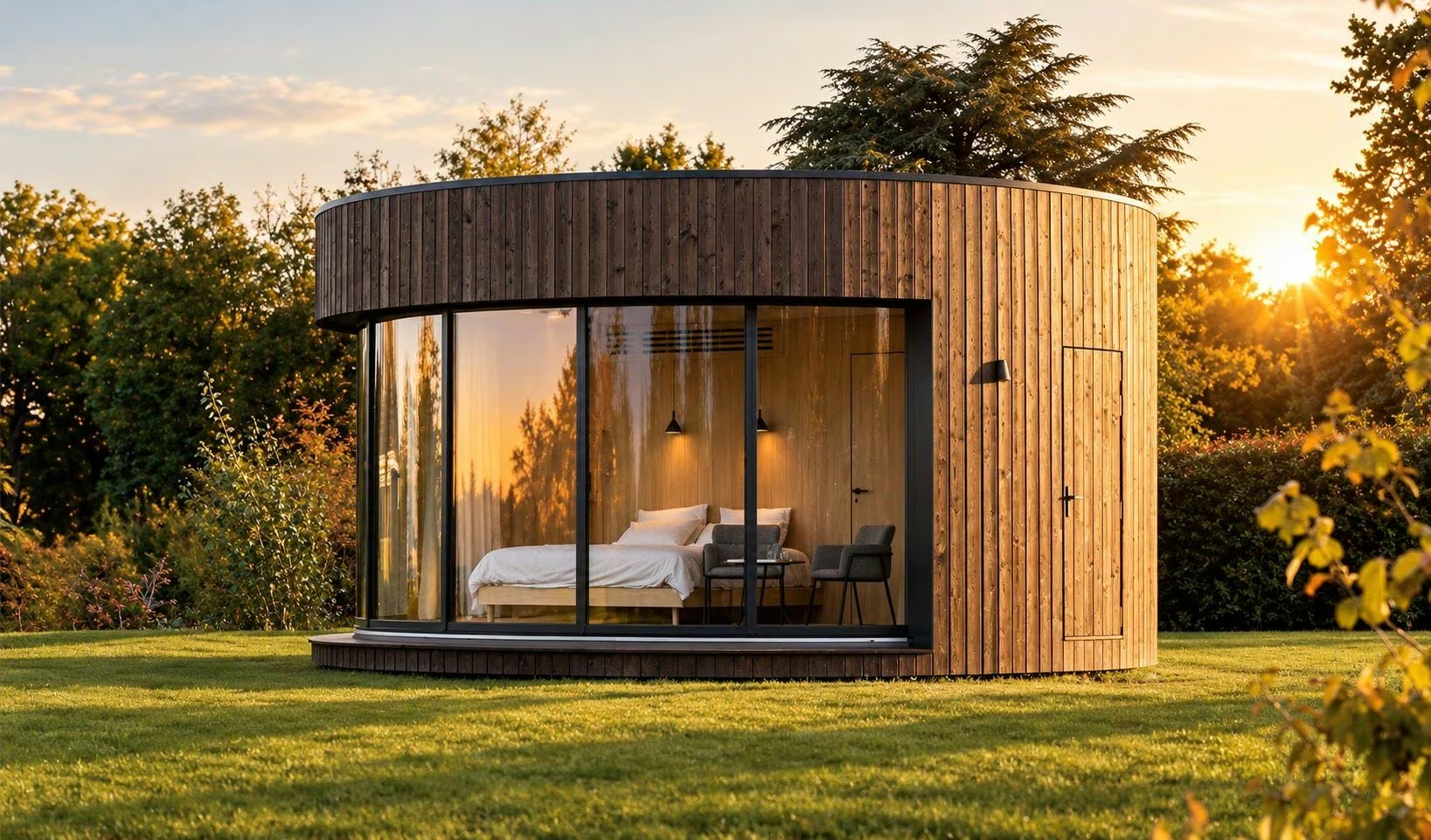
An independent modular habitat (a garden studio, an extension, or a dedicated tiny house) directly answers this need for physical and mental separation between the two worlds. Unlike an office set up in a room of the main house, a standalone outdoor workspace allows for a genuine break at the end of the day: you "leave" work, even if it’s just a few metres from home.
Deep exploration
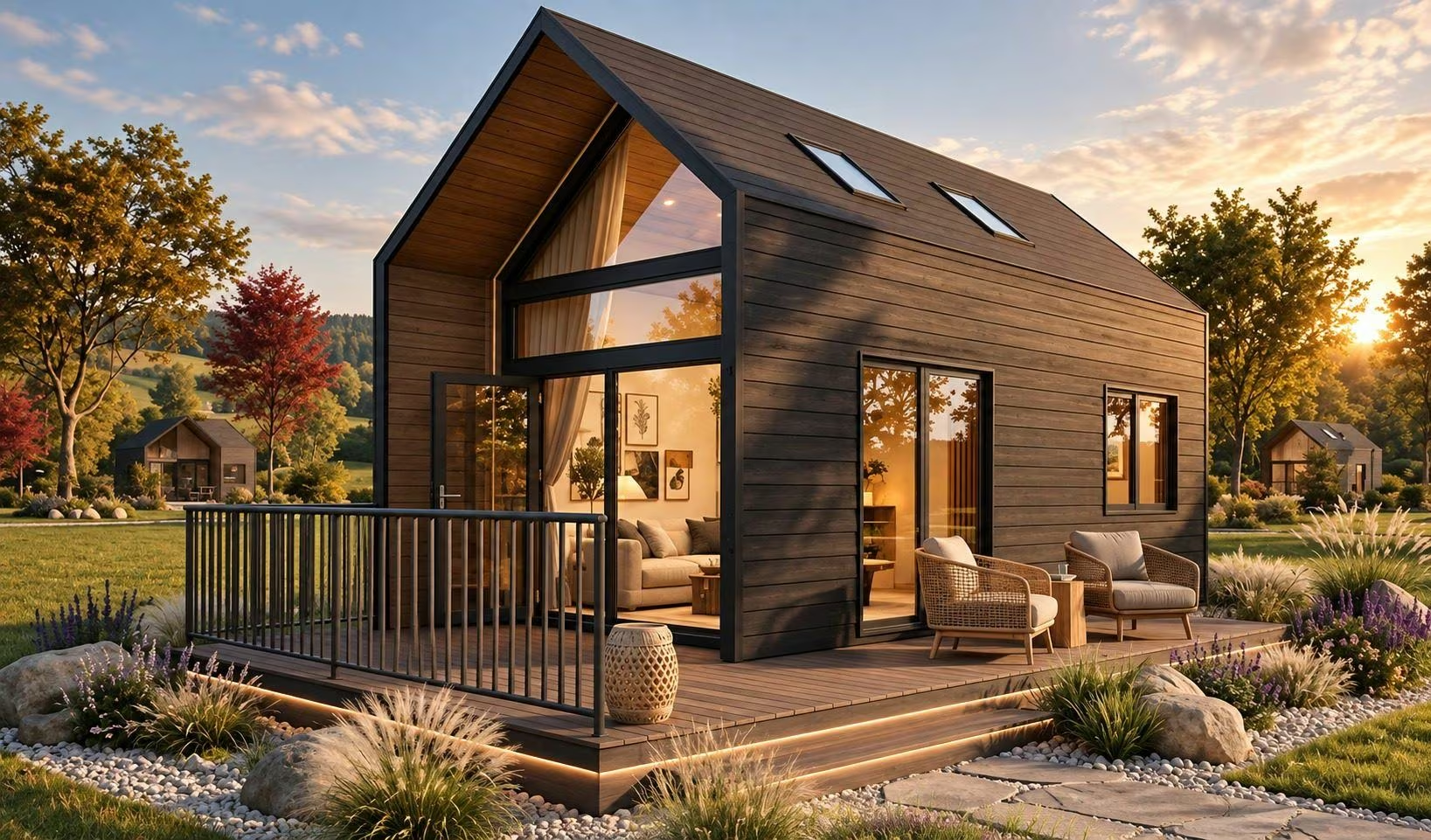
This flexibility of use is also reversible: a module designed as an office today can become a guest room, a leisure space, or an independent rental unit if needs changean advantage a traditional extension, fixed in its original function, doesn’t always offer.
Practical guidance
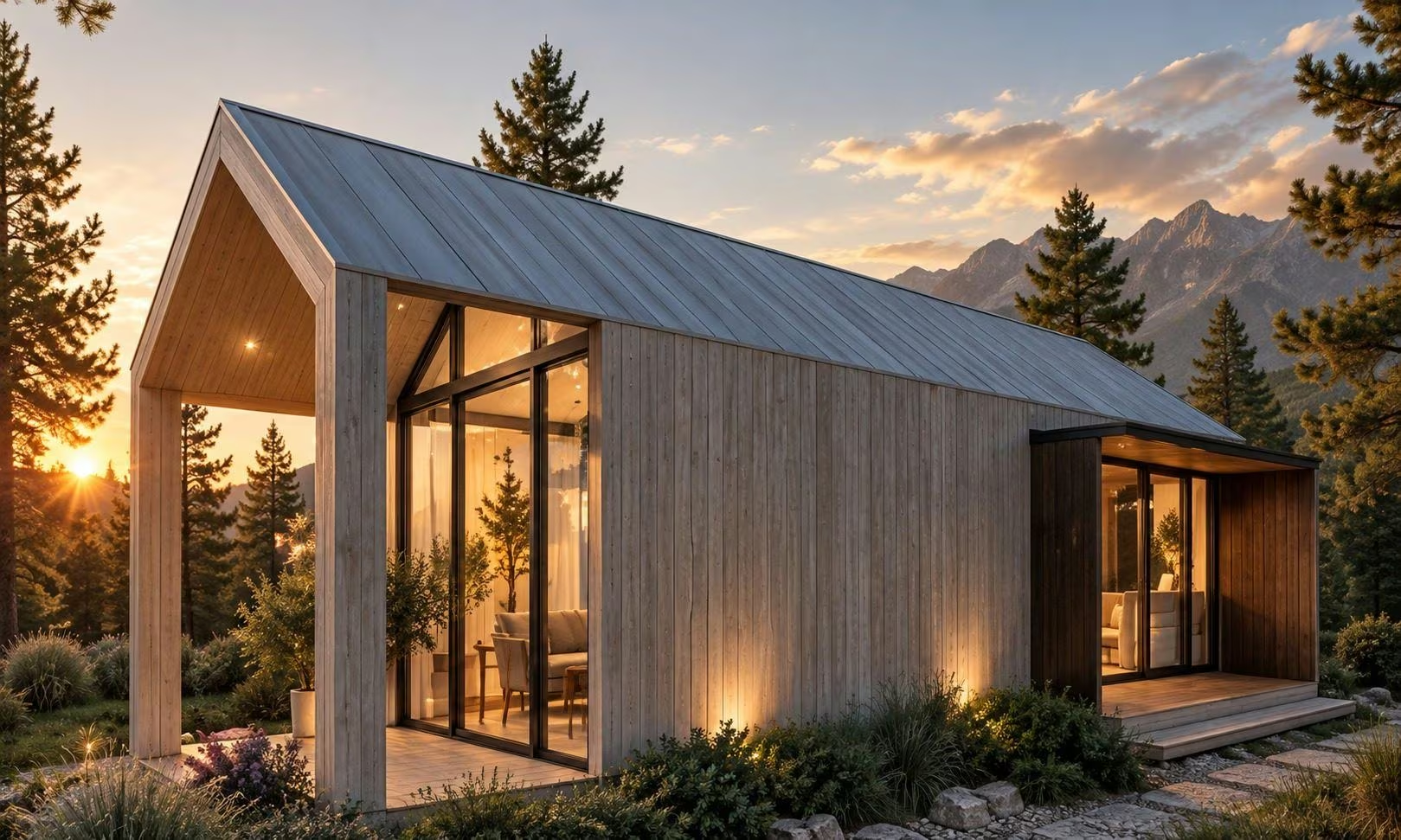
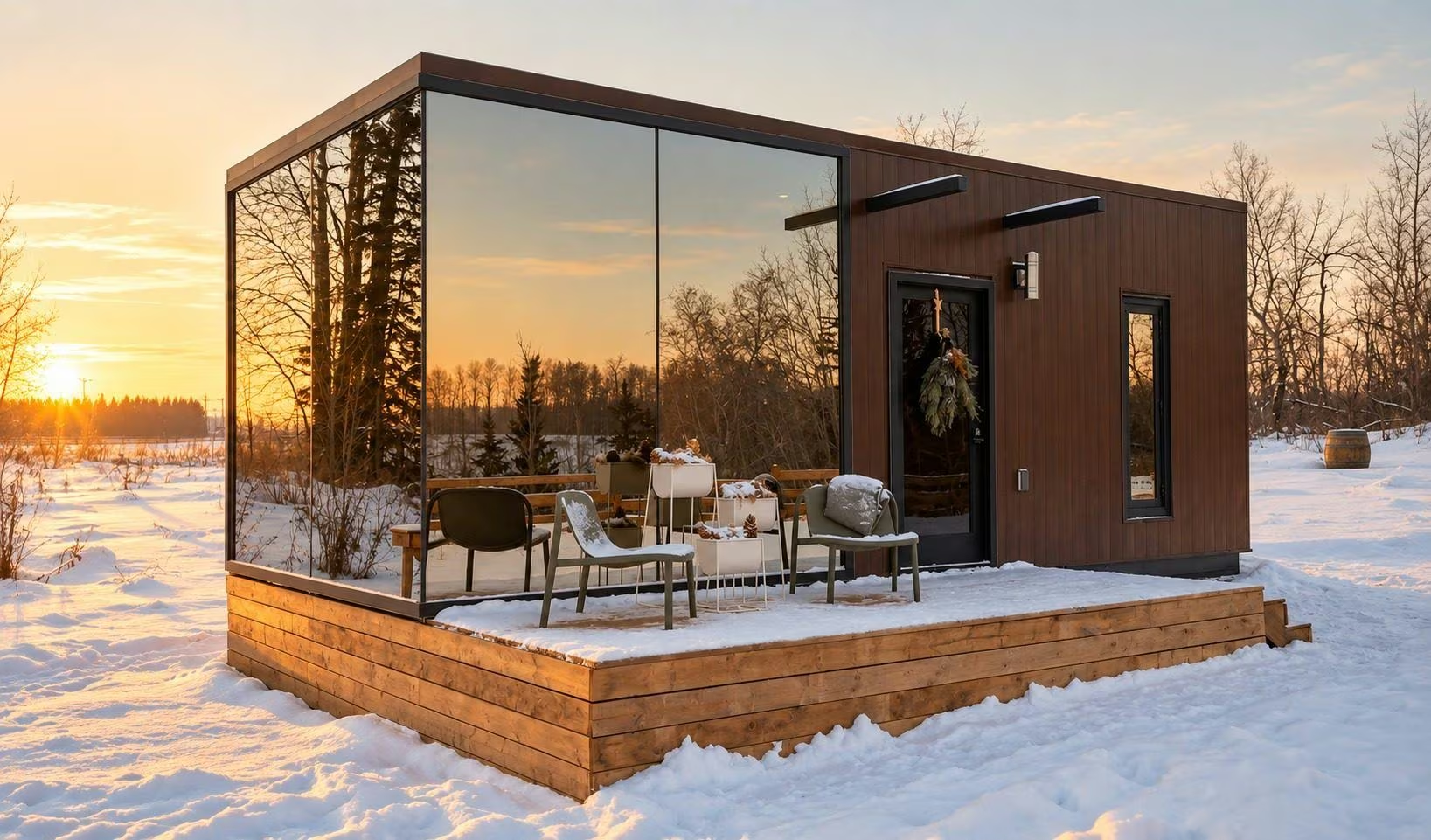
Finally, the choice of location itself is shifting: remote work lets some people prioritise a natural setting over strict urban proximity, provided the home offers genuine everyday working comfortlight, acoustic insulation and a reliable connection then matter as much as the view. An independent studio from our Tiny Collection directly answers this need for separation.
Architectural perspective
Separating work from home is no longer a question of available square metres, but of architectural intent: giving each use a space that truly belongs to it.
Frequently asked questions
Does a garden studio require permission?
Depending on its floor area, an independent studio may require a prior declaration or planning permission. Checking with the local town hall before starting is recommended.
What surface area for a comfortable independent office?
Around twenty square metres is generally enough for a comfortable independent office, including storage space and an informal meeting area.