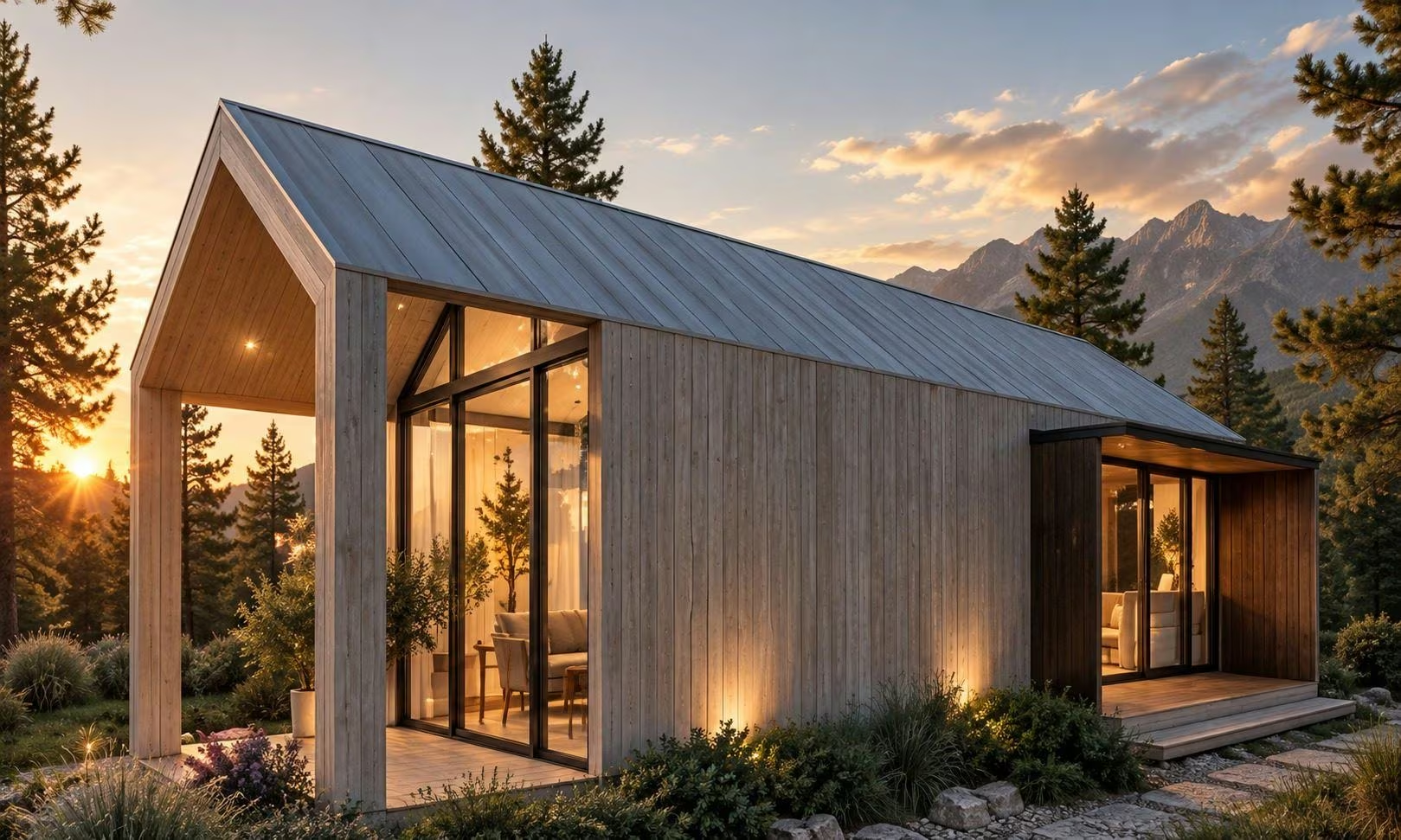
In modular architecture, material choice isn’t only about aesthetics: it determines durability, maintenance and thermal behaviour over decades.
Understanding the topic
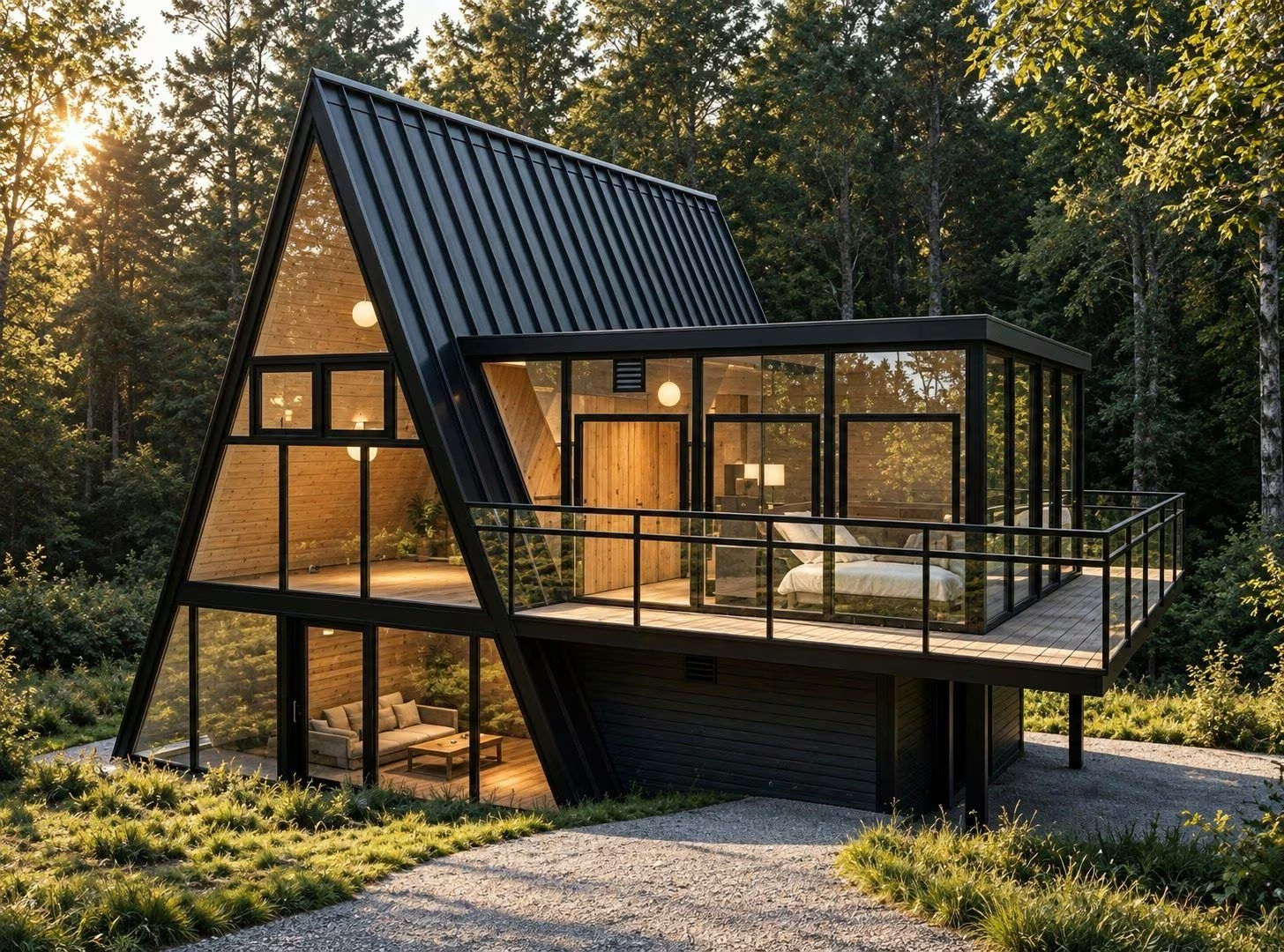
Galvanised steel has become the reference structure for prefabricated modular habitats. Corrosion-treated, it offers high mechanical strength for a controlled weight, a decisive advantage for transporting and installing a workshop-built module. Its industrial manufacturing precision also guarantees consistent geometry from one module to the next, essential for fast on-site assembly.
Deep exploration
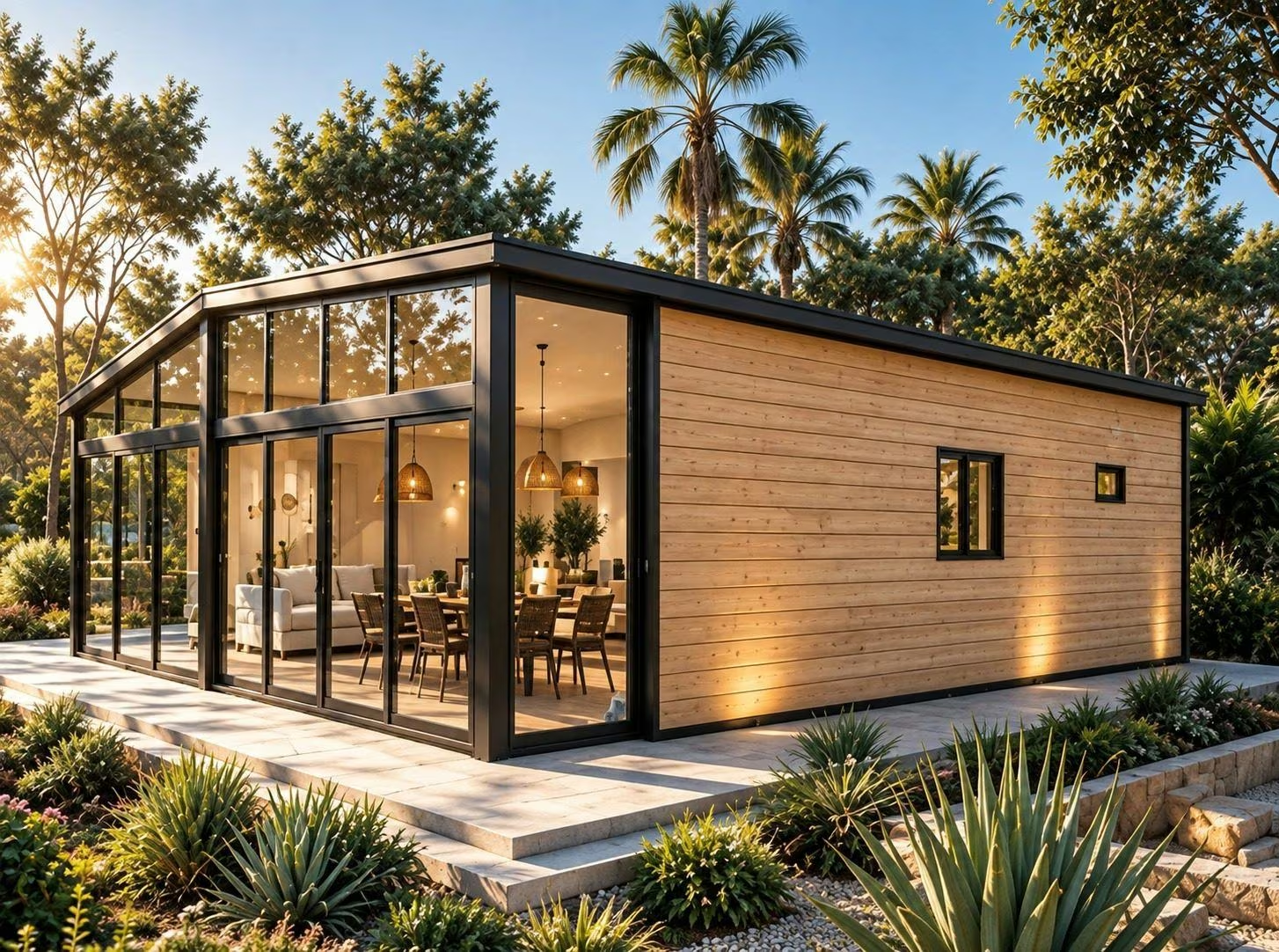
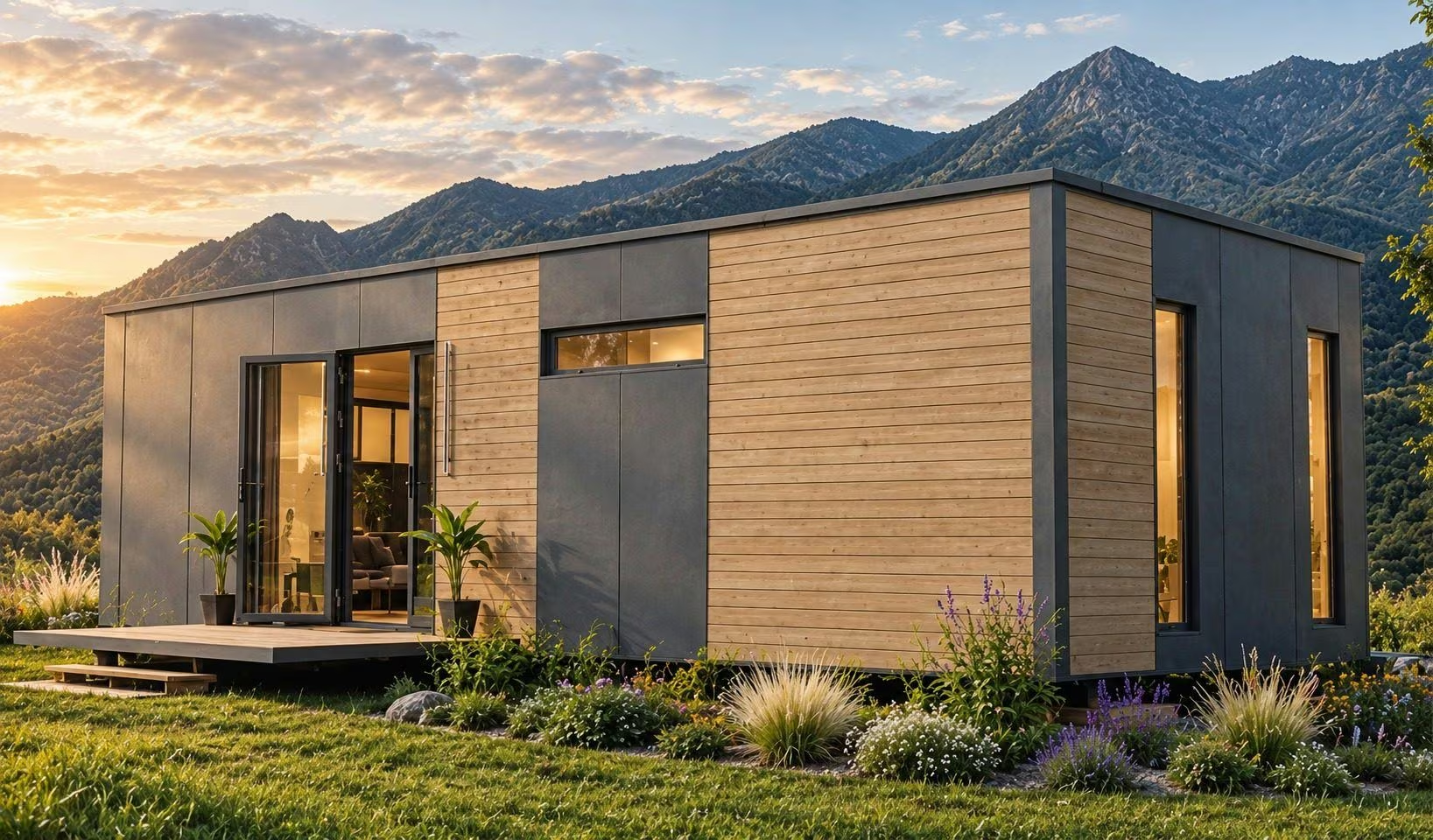
Wood remains the material of choice for the exterior envelope, for its balance of warmth and authenticity. Class 3 or 4 treated timber cladding resists UV and weather while developing a natural patina over time, differing from one region to another depending on exposure and climate. That evolution isn’t a flaw, it’s part of the material’s life.
Glass, finally, is no longer just an opening: large glazed bays now structure the relationship between a habitat and its landscape. Low-emissivity (low-e) double glazing limits heat loss in winter while filtering some solar radiation in summer, an essential balance once glazed surfaces become significant in a design.
Practical guidance
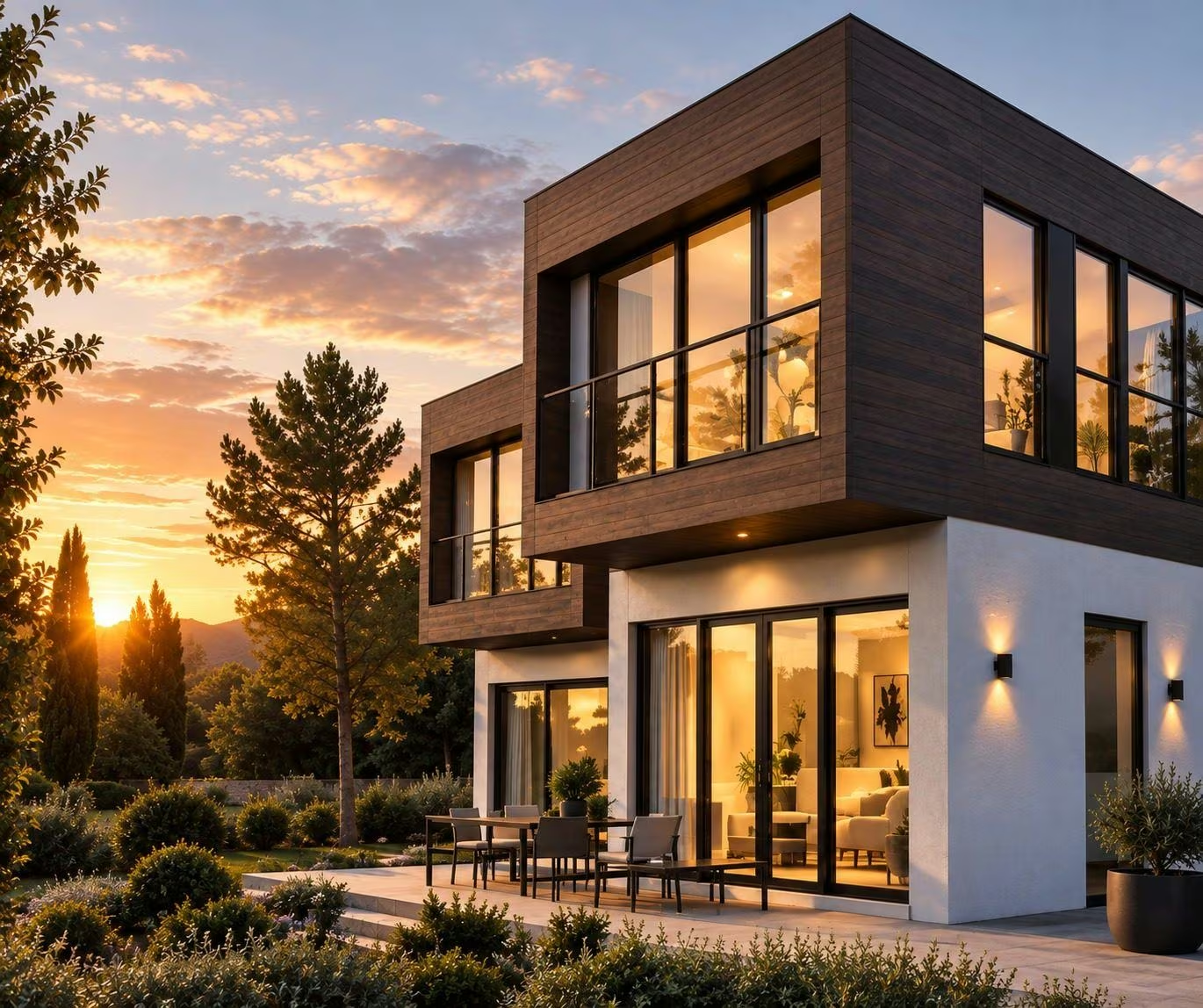
What sets apart architecture built to last, then, isn’t the use of one "noble" material over another, but the coherence between structure, envelope and openingseach chosen for what it does best, and assembled so the whole ages well. The details of our materials and their related warranties are available on our Trust Center.
Architectural perspective
Choosing a material is already an architectural choice: every material tells an intention, even before the first wall goes up.
Frequently asked questions
Does timber cladding require special maintenance?
Class 3 or 4 treated cladding is designed for minimal upkeep. It naturally evolves over time (greying patina if not deeply treated), which is part of its character rather than a flaw.
Why favour galvanised steel for the structure?
It combines light weight, mechanical strength and good durability thanks to its anti-corrosion treatment, a compromise particularly suited to workshop manufacturing and transporting prefabricated modules.