A compact habitat built for rental (whether a tiny house, an independent studio, or a tourist accommodation unit) is never profitable "by nature". Its performance depends on a set of criteria that are better assessed before purchase than discovered afterwards.
Understanding the topic
The first criterion is location, and more precisely how well it matches the intended operating model. A property built for seasonal tourist rental needs to sit in an area where genuine demand exists at certain times of year; one built for long-term rental depends more on proximity to employment hubs or transport links.
The second criterion is the seasonality of demand. Accommodation in a highly touristic area in summer can show excellent occupancy over three months and sit empty the rest of the year. Before any profitability calculation, it’s worth thinking in terms of a realistic annual average, not the best month.
Deep exploration
The third criterion, often underestimated, is operating cost: cleaning, booking management, routine maintenance, rental-specific insurance, and any applicable tourist tax. These recurring costs need to be deducted from gross income before judging a project’s real profitability.
The fourth criterion is local regulation, which varies significantly from one municipality to another: some areas tightly regulate short-term seasonal rental, require registration, or cap the number of nights a secondary residence can be rented per year.
Practical guidance
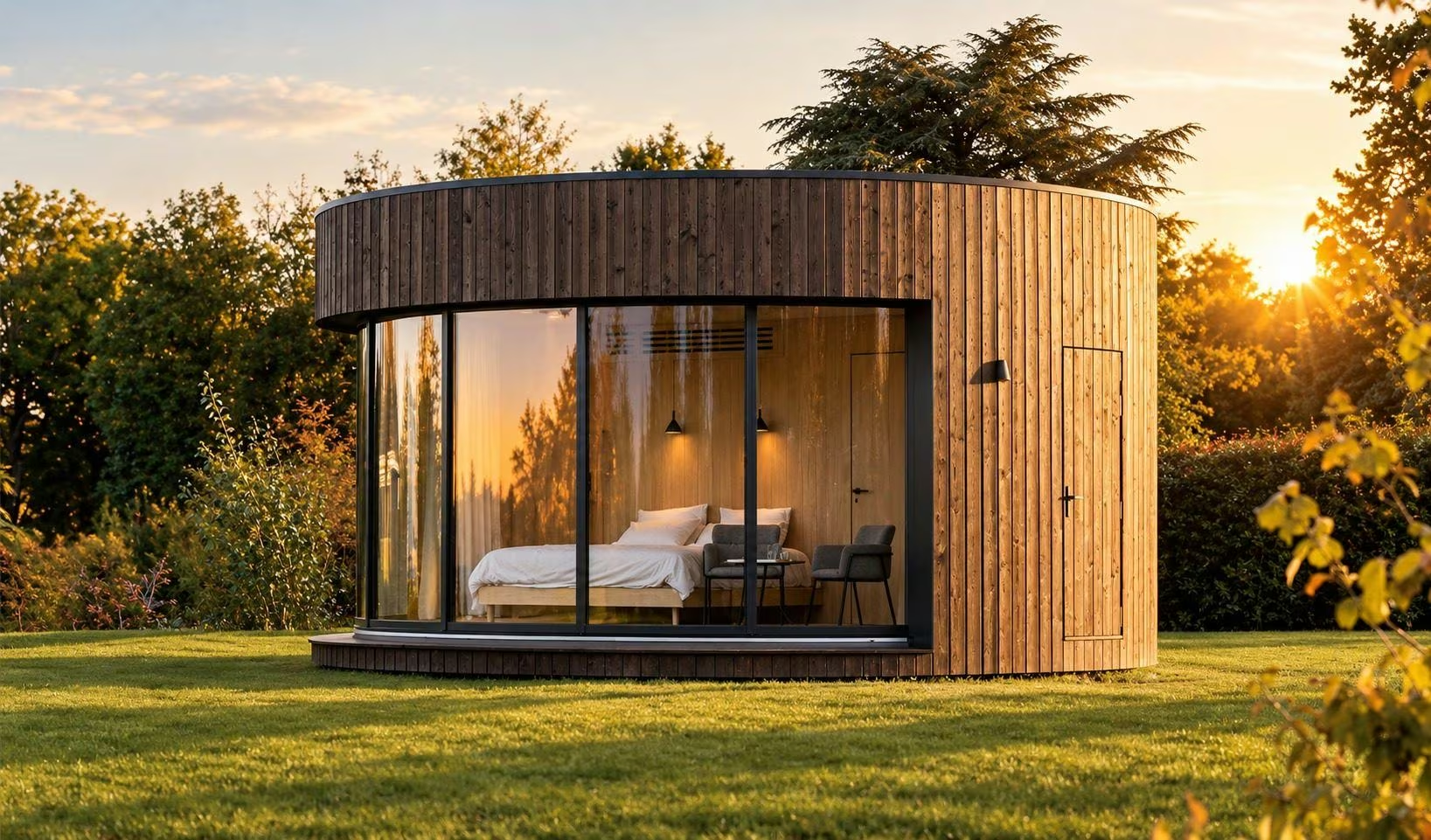
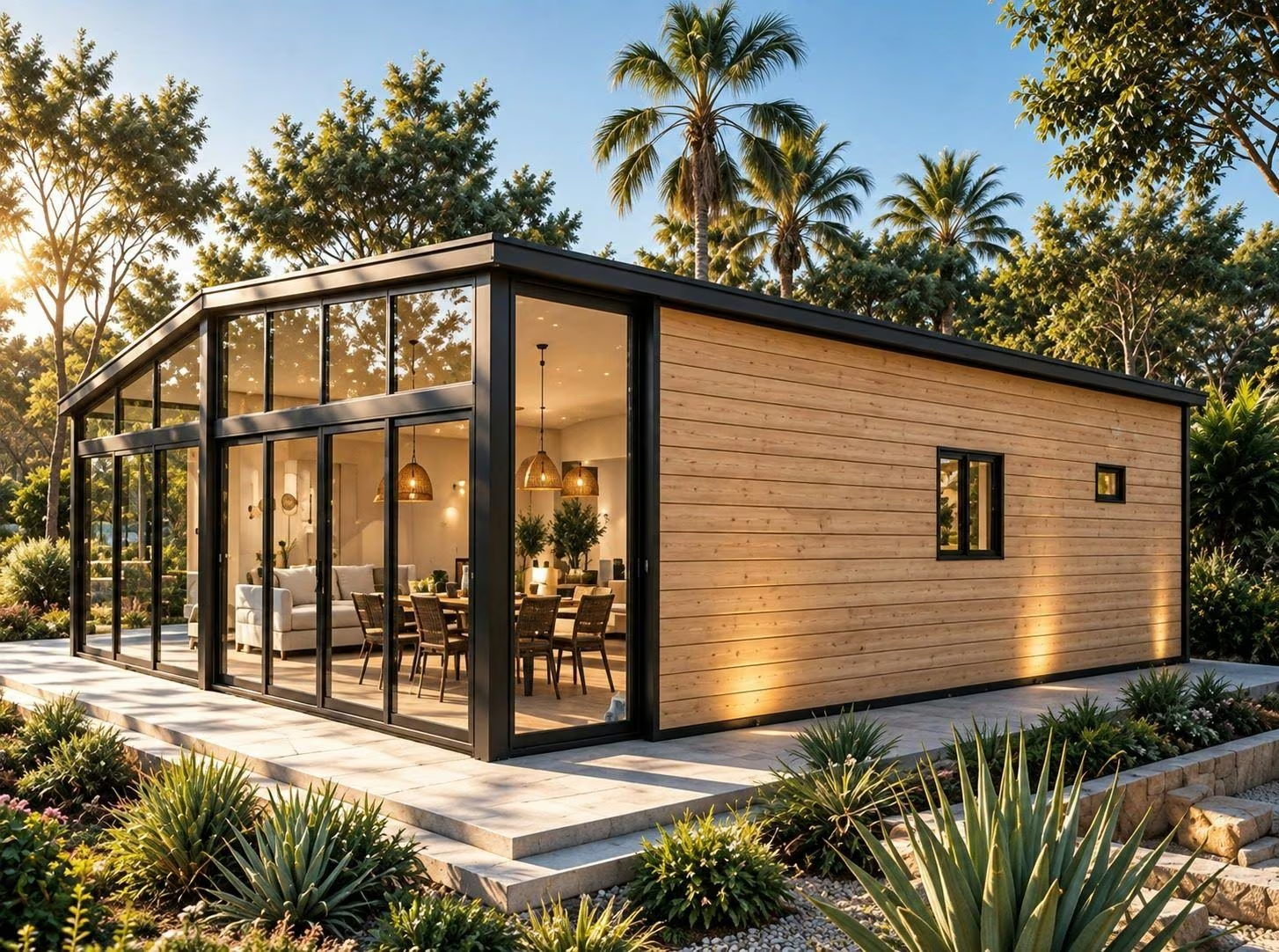
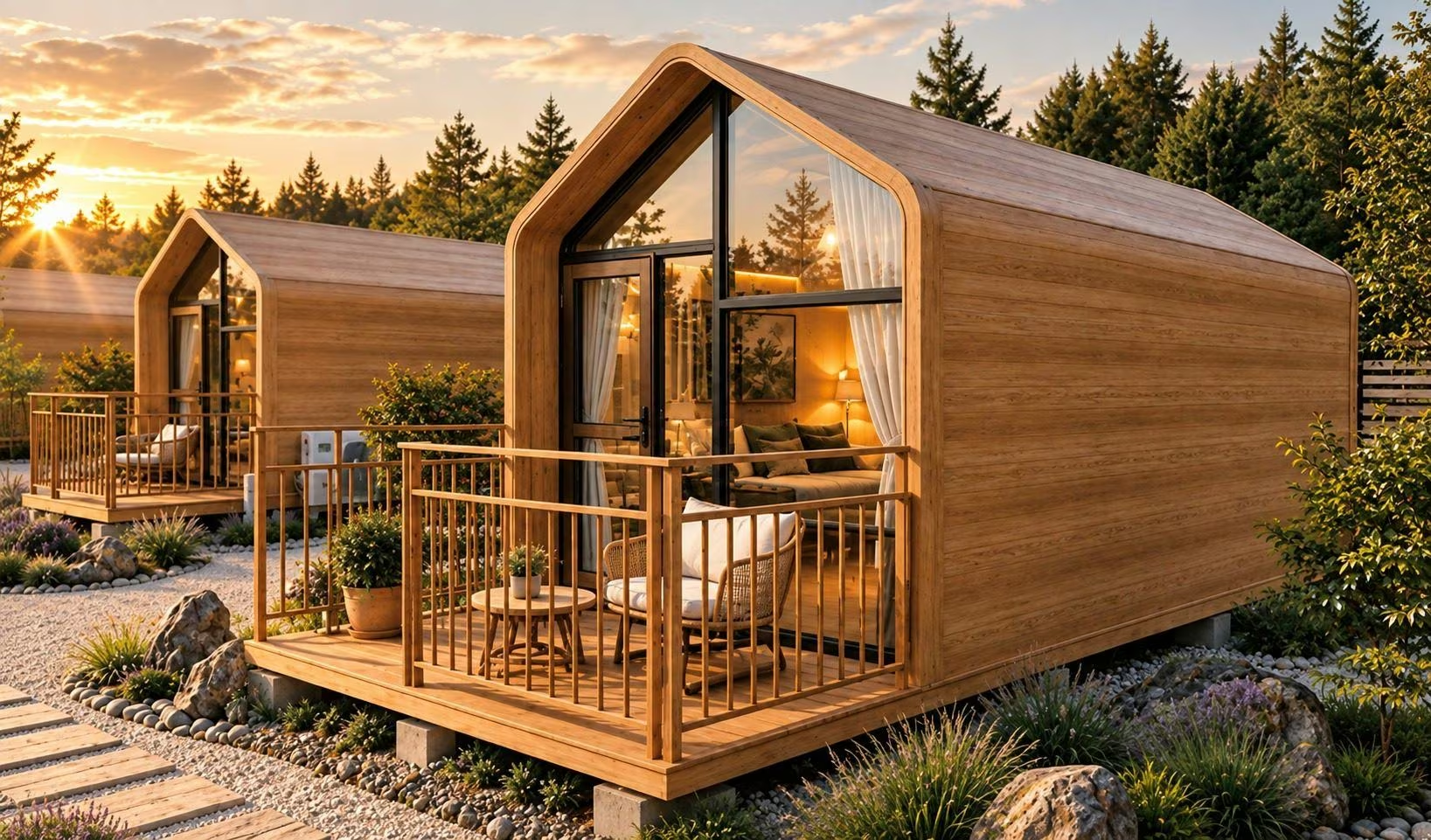
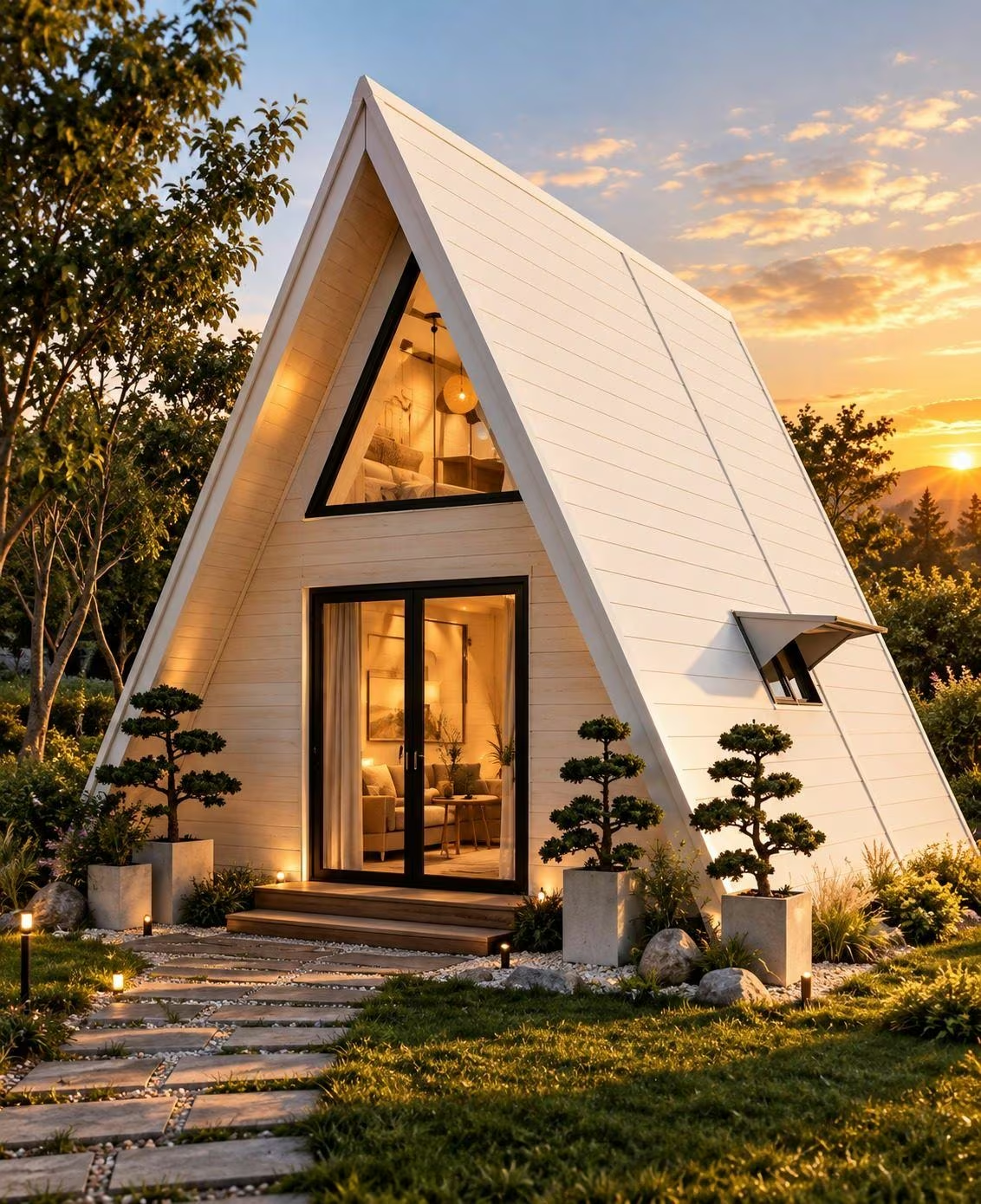
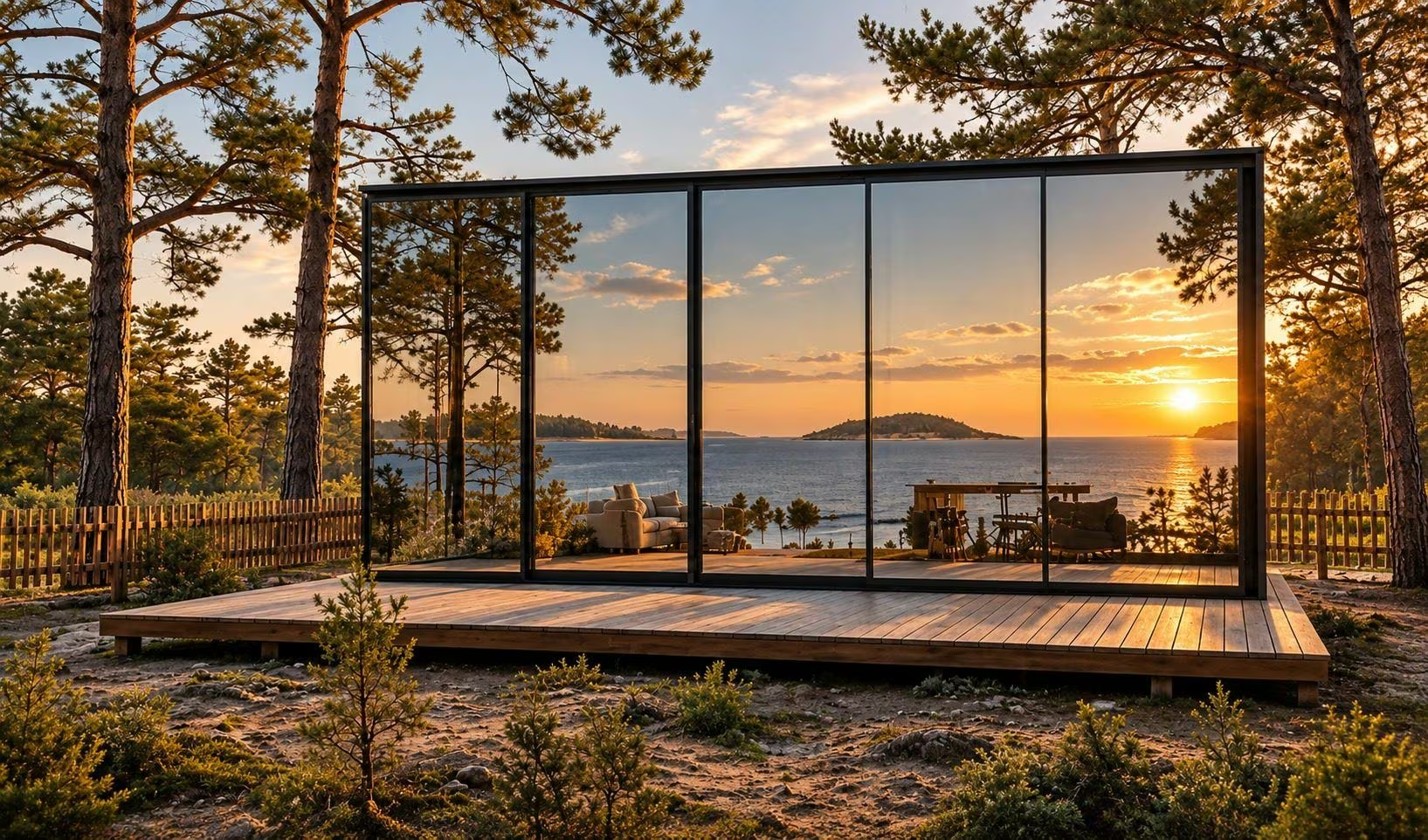
Finally, the nature of the habitat itself shapes its rental appeal: accommodation with distinctive architecture and visible build quality generally rents more easily, and at a higher rate, than standardised accommodationa qualitative factor that matters as much as location in a traveller’s decision. That’s the positioning of our Resort Collection, built specifically for outdoor hospitality.
None of this replaces a personalised study specific to each plot and projectbut it means approaching a rental investment with the right questions, not just the right numbers. Our configurator offers a first indicative yield simulation.
Architectural perspective
A habitat that rents well is never an accident: it’s the result of architecture designed from the outset for its intended use, not adapted after the fact.
Frequently asked questions
What occupancy rate should I plan for rental accommodation?
It varies enormously by area and seasonality. It’s better to plan around a realistic annual average, accounting for low periods, rather than the occupancy rate of the best months.
Is seasonal rental regulated the same way everywhere?
No, regulation varies significantly between municipalities (registration, permitted number of nights, regulated zones). It’s essential to check local rules before finalising a rental project.